Complete Plant-Based Protein Guide: How Much You Need and Best Sources
One of the first questions people ask when they start eating more plant-based foods is: "Where do you get your protein?"
It's a fair question. Protein is important for maintaining muscle, supporting your immune system, helping you recover from exercise, and keeping you satisfied between meals.
The good news? Getting enough protein on a plant-based diet is absolutely possible. In fact, many plant foods contain more protein than people realize.
As a registered dietitian, I often find that people are less likely to struggle with getting enough protein and more likely to struggle with knowing which foods to choose and how to build balanced meals. This guide will help you understand how much protein you need, the best plant-based protein sources, and simple ways to include them throughout the day.
Do You Really Need More Protein?
Protein has become one of the most talked-about nutrients in nutrition, but many people overestimate how much they actually need.
The Recommended Dietary Allowance (RDA) for healthy adults is 0.8 grams of protein per kilogram of body weight per day.
For example:
A 150-pound person needs approximately 55 grams of protein daily
A 180-pound person needs approximately 65 grams daily
A 200-pound person needs approximately 73 grams daily
Some people may benefit from more protein, including:
Older adults
Athletes
People recovering from illness or injury
Individuals trying to maintain muscle during weight loss
Protein needs are highly individual, which is why personalized guidance can be helpful if you have specific health or fitness goals.
Can You Get Enough Protein on a Plant-Based Diet?
Yes! Research consistently shows that well-planned vegetarian and vegan diets can provide adequate protein for most people.
Protein is found in a wide variety of plant foods, including:
Beans
Lentils
Soy foods
Whole grains
Nuts
Seeds
Vegetables
The key is eating enough overall food and including protein-rich foods regularly throughout the day.
The Best Plant-Based Protein Sources
Soy Foods
Soy is one of the highest-quality plant proteins available because it contains all nine essential amino acids.
Popular soy foods:
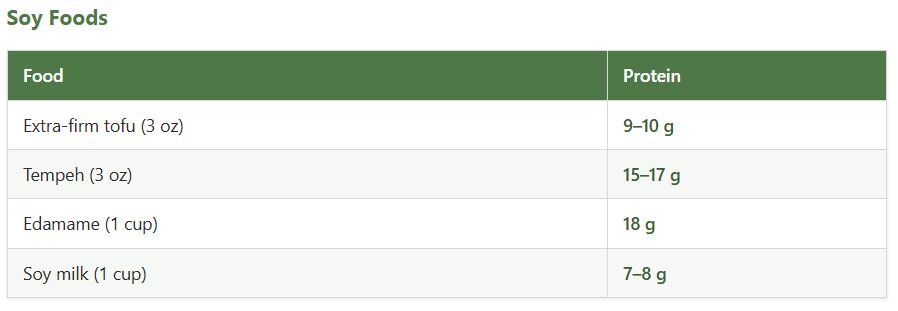
Soy foods are versatile, affordable, and backed by decades of nutrition research.
Lentils
Lentils are one of my favorite plant-based protein foods because they're inexpensive, easy to prepare, and packed with fiber.

Try adding lentils to:
Soups
Tacos
Pasta sauces
Grain bowls
Salads
Beans
Beans provide a combination of protein, fiber, and complex carbohydrates.
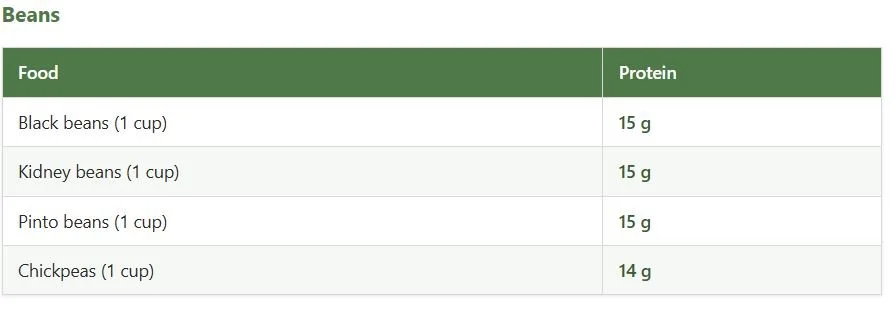
Regular bean consumption has also been associated with improved heart health and better cholesterol levels.
Whole Grains
Most people don't think of grains as protein foods, but they can contribute significantly to your daily intake.
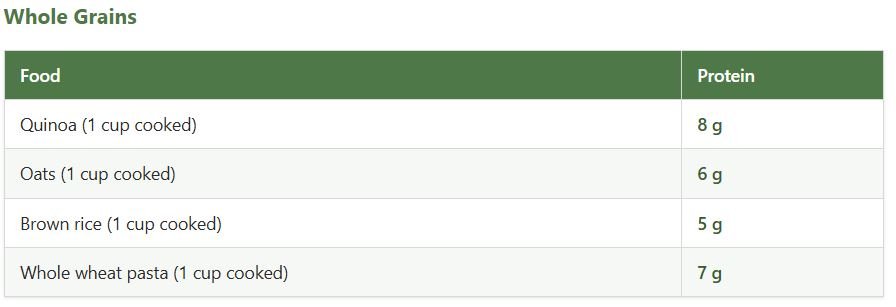
Nuts and Seeds
While often known for their healthy fats, nuts and seeds also contribute protein.
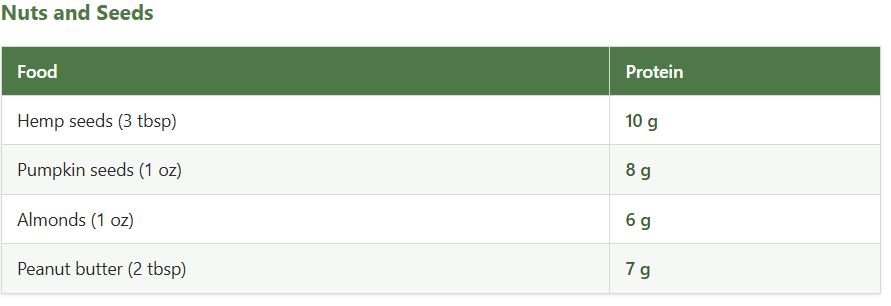
These foods make excellent snacks and meal additions.
What About Complete Proteins?
You may have heard that plant proteins are "incomplete". This idea often creates unnecessary confusion.
While some plant foods are lower in certain amino acids, your body doesn't require every amino acid to come from the same food or even the same meal. Eating a variety of foods throughout the day generally provides everything your body needs.
Foods considered complete plant proteins include:
Soy foods
Quinoa
Buckwheat
Hemp seeds
For most people, simply eating a varied diet is enough.
How Much Protein Should You Eat at Each Meal?
Rather than trying to get all your protein at dinner, spreading it throughout the day may be more beneficial.
A simple goal is aiming for a source of protein at most meals and snacks.
For example:
Breakfast
Oatmeal with soy milk
Peanut butter
Hemp seeds
Approximate protein: 18-20g
Lunch
Chickpea grain bowl
Quinoa
Roasted vegetables
Approximate protein: 18-22g
Snack
Edamame
Roasted chickpeas
Soy yogurt
Approximate protein: 10-15g
Dinner
Tofu stir fry
Brown rice
Vegetables
Approximate protein: 20-25g
When protein is spread across the day, it tends to support fullness and muscle maintenance more effectively.
Common Plant-Based Protein Mistakes
Relying Only on Vegetables
Vegetables are nutritious, but most are not concentrated sources of protein. Including foods like beans, tofu, lentils, and soy milk will make meeting protein needs much easier.
Not Eating Enough Calories
Sometimes people assume they have a protein deficiency when they're simply not eating enough overall food. Meeting your energy needs is important for meeting your protein needs, too.
Assuming You Need Protein Powders
Protein powders can be convenient, but they aren't required for most people. Many individuals can meet their needs entirely through food.
Skipping Protein at Breakfast
Breakfast is often the meal most likely to be low in protein. Adding soy milk, nuts, seeds, tofu, or plant-based yogurt can help create a more balanced start to the day.
Is Plant Protein as Good as Animal Protein?
Plant proteins and animal proteins can both support health.
What makes plant-based diets unique is that protein often comes packaged with additional benefits like:
Fiber
Antioxidants
Vitamins
Minerals
Heart-healthy fats
Many plant protein foods also contain little or no saturated fat, making them beneficial for heart health.
The Bottom Line
Protein doesn't have to be complicated. A well-planned plant-based diet can provide all the protein most people need while also delivering fiber, vitamins, minerals, and other nutrients that support long-term health.
Focus on including foods like beans, lentils, tofu, tempeh, soy milk, whole grains, nuts, and seeds regularly throughout the day.
If you're unsure whether you're meeting your protein needs or if you have specific health goals, I'd be happy to help. Book a free consultation, and we'll create a plan that works for your lifestyle, preferences, and nutrition goals.